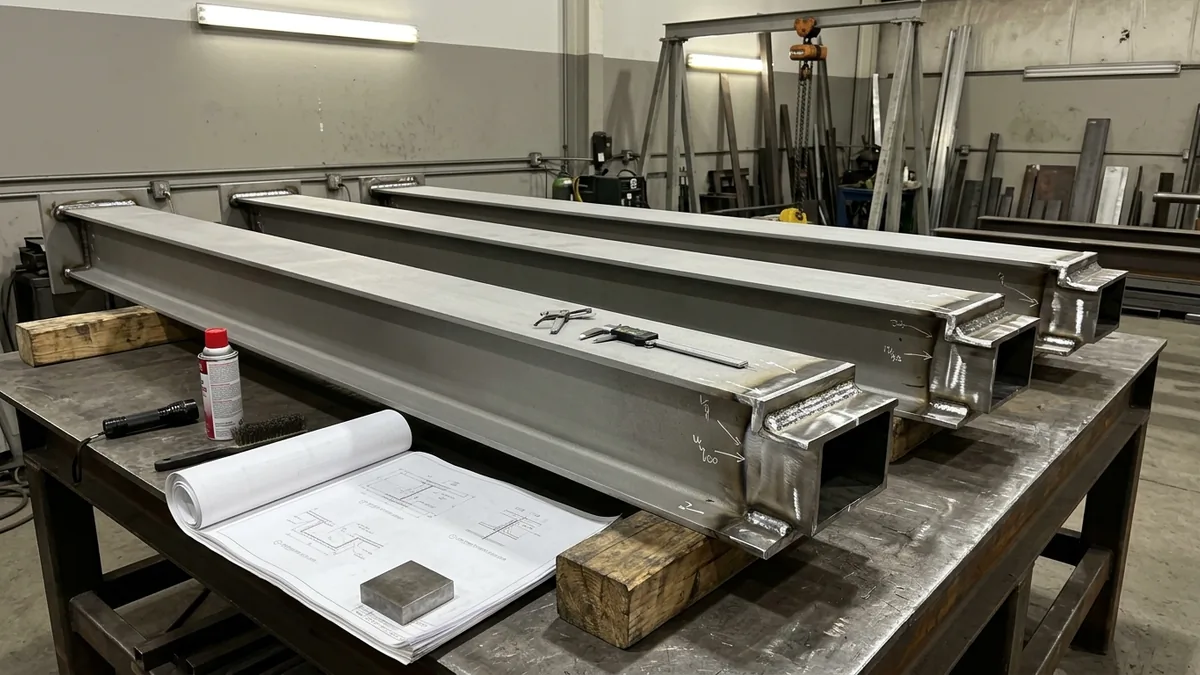
Bidding on Construction Category 2 structural steelwork requires estimators to calculate quality compliance hours during drawing takeoffs.
Construction compliance categories
Structural categories: Australian steel fabricators must align their bids with the National Construction Code. Under the NCC 2025 structural steel compliance requirements, projects are classified into Construction Categories from CC1 to CC4. Construction Category 2 (CC2) is the default tier for commercial developments, requiring strict quality control. Fabricators bidding on CC2 jobs must plan for extensive welding coordination and independent inspection audits.
Estimators must calculate the cost of these compliance steps during the bidding phase. CC2 requirements mandate qualified welding coordinators, material traceability, and certified welding inspectors. Fabricators who fail to price these requirements will face major cost overruns during production. Incorporating these quality checks early ensures the shop remains profitable and compliant.
Estimating quality hours
Quality control compliance is not free. Compiling manufacturer data reports and tracing mill certificates requires significant administrative time. Estimators must estimate the exact hours needed to manage this documentation. Treating compliance documentation as a general overhead item is a mistake that hides the true cost of production.
A common mistake is treating QA as a general shop overhead. This dilutes pricing accuracy. Estimators must calculate QA administrative hours as a direct labor item on the bid. For a standard commercial frame, compiling the compliance records can take twenty to forty hours of office time. Pricng these hours accurately ensures that the shop is compensated for all project-related labor.
Weld inspection demands
CC2 fabrications require certified weld inspections. Weld Australia rules demand that welds be inspected by qualified professionals before leaving the shop. This inspection involves visual checks and non-destructive testing. Fabricators must budget for both internal inspections and third-party testing fees during the pricing phase.
Estimators must check the drawings for weld symbols and configurations. The number and type of welds determine the inspection time. Underpricing this inspection labor is a major risk, as third-party testing rates can add thousands of dollars to the project cost. Accurate weld volume estimation is key to budgeting for these inspection expenses, ensuring there are no financial surprises.
Checking technical notes
Here is a checklist of structural details estimators must verify on blueprints:
| Technical Detail | Verification Action | CC2 Compliance Check | Cost Factor |
|---|---|---|---|
| Construction Category | Check general notes | Verify if CC2 or CC3 | QA Admin Hours |
| Weld Symbols | Identify fillet vs butt welds | Match to AS/NZS 1554 | Inspection Time |
| Material Grades | Verify steel specification | Match to mill certificates | Steel Purchase Cost |
| Surface Treatment | Check paint/galvanizing codes | Verify thickness specs | Treatment Subcontract |
Drawing audits: Estimators must read all general notes and specifications. Missing a single CC2 compliance note can result in non-compliant welds that must be cut out and reworked on-site. This rework is extremely expensive and can damage the fabricator's reputation, making careful drawing reviews essential.
To prevent these errors, estimators should follow a structured review process for every new drawing set. Documenting drawing details early helps estimators identify potential compliance challenges before they affect shop floor production.
Estimator billing parameters
Estimating managers must set billing rates that reflect compliance work. Estimators spend significant time auditing drawings and Sourcing compliant materials. These engineering checks require skilled personnel. Underestimating the time required for drawing reviews leads to rushed bids and pricing mistakes.
Shops must streamline their workflows to keep estimating costs competitive. Kwantflow provides a secure desktop workspace that parses drawings locally, helping estimators spot weld configurations in seconds. This local-first automation allows shops to quote faster without hiring another estimator, keeping bidding costs low. Kwantflow processes CAD properties on your own hardware, ensuring complete pricing confidentiality.
Structural certification rules
To bid on government work, fabricators must hold Steelwork Compliance Australia certification. This certification proves the shop has the systems to meet AS/NZS 5131 CC2. Achieving and maintaining this license requires ongoing audits. The audit checks cover everything from welder qualifications to material storage procedures.
Estimators must mention this certification on their tenders. It acts as a trust signal, proving to the head contractor that your shop meets national standards. Incorporating this compliance badge into your bids helps win high-value commercial tenders. Showing this certification early separates your shop from uncertified competitors.
Auditing procurement pipelines
Estimators must verify that their suppliers can deliver certified materials. Steel merchants must provide compliant mill certs with every shipment. If a supplier cannot guarantee traceability, the estimator must source from another merchant. Procurement audits prevent delays caused by rejected steel arrivals.
Using Kwantflow, estimators can map structural takeoffs to a local material catalog. This ensures that the quoted prices reflect compliant steel stocks from verified local suppliers. Having this integration prevents purchasing errors later. Kwantflow keeps all supplier details secure and private on your workstation, avoiding cloud exposure.
Defensible tender bidding
Disclaimer: This article details compliance estimating guidelines and is not a substitute for formal engineering advice. Fabricators should review all project specifications with a certified engineer. Start by integrating compliance checks into your RFQ reviews. Detail every quality control cost in your final tender to ensure transparency.
To build a stronger bidding strategy, read our Weld Australia compliance guidelines for steel fabricators. You can also learn about material tracking in our article on steel mill certificate tracking. Kwantflow runs on the desktop to automate takeoffs and protect pricing confidentiality, helping estimators compile compliant structural tenders efficiently.
Ways estimators can keep quote review clear:
- Construction Category 2 tenders mandate full welding coordination and certified inspector oversight.
- Estimators must budget extra administrative hours to compile the required compliance quality handbooks.
- Local-first drawing takeoff software flags weld details to calculate inspection costs accurately.
- Underpricing quality control compliance leads to margin loss on government structural tenders.