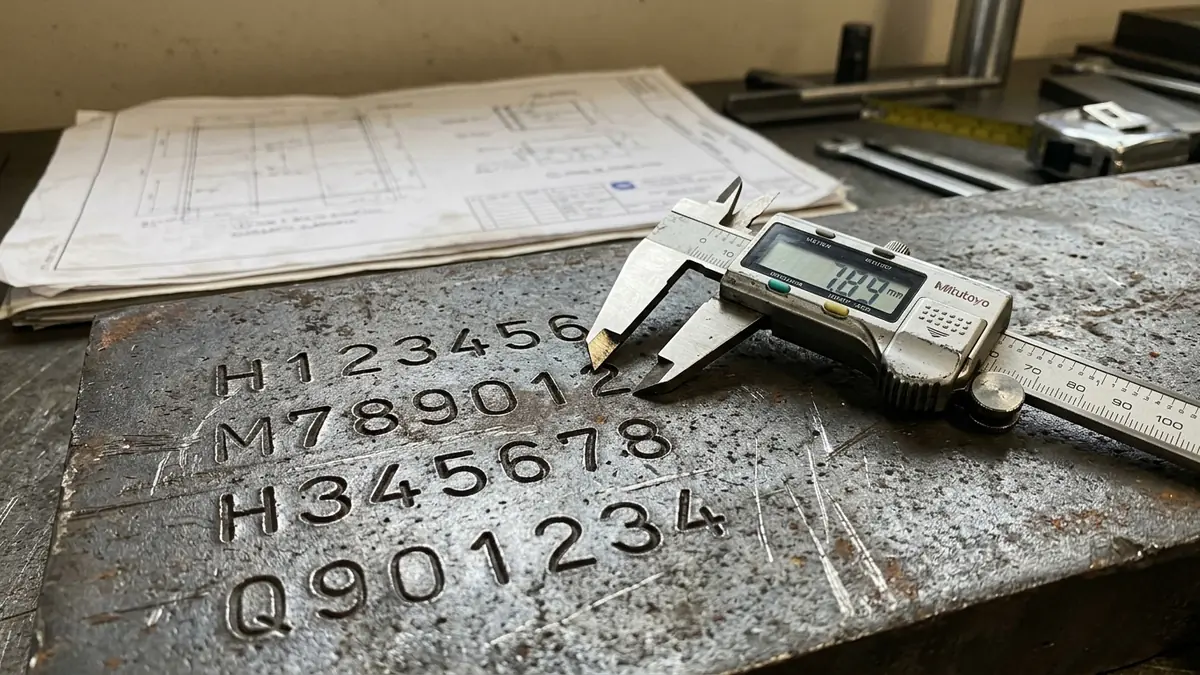
Australian structural steel fabricators must trace mill certificates and heat numbers during the quoting phase to win compliance-gated contracts.
Compliance standards demand
Compliance standards: Modern commercial construction projects in Australia demand absolute material verification. Under the AS/NZS 5131 Construction Category 2 guidelines, fabricators must prove the origin of every steel member. This means tracking starts during estimating. Estimators must review the inbound raw steel mill certificates to verify yield strength and chemical composition before submitting a structural bid. This initial verification ensures the structural integrity of the steel is matched to the design parameters.
Many shops treat material tracking as a post-award task. This approach is a major risk. If you quote a job assuming standard commercial grade steel and later find the project specifications require certified local mills, your margins will vanish. Checking certification compliance before bidding is the only way to protect profits. Fabricators must confirm that their steel suppliers can provide compliant certificates for all specified sections before finalizing their numbers.
Tracking heat numbers
Every batch of compliant structural steel has a unique heat number stamped at the mill. Estimators must connect these heat numbers to the specific parts in the drawing takeoff. This tracking links physical material properties back to the engineering drawings. If a structural column fails, the inspector will demand the compliance log linking that physical column to its source mill cert.
Traditional workflows require manual copy-pasting of heat codes into spreadsheets. This clerical task is slow and error-prone. A typo in a heat number can invalidate a compliance log, leading to rejected fabrication inspections on-site. Using automated tracking systems reduces this administrative burden and ensures that every structural element is linked to its correct mill heat code during the initial quoting phase.
Administration hours overhead
Managing mill certificates requires significant administrative time. Estimators must spend hours matching incoming delivery logs with structural drawing revisions. This administrative overhead is often ignored during the bidding phase. When estimators do not price this administrative work, the shop loses money on overhead labor.
To cover these costs, estimators must calculate the admin hours required for material compliance. If a project requires Construction Category 2 tracking, the admin burden can add up to fifteen percent to the total estimating hours. Bidders must factor this compliance work into their labor rates to avoid unprofitable contracts. Calculating this admin time as a distinct line item protects the shop's overall operating margin.
Material tracking records
Here is a comparison of trace requirements by construction category under Australian rules:
| Requirement | Category 1 (CC1) | Category 2 (CC2) | Category 3 (CC3) |
|---|---|---|---|
| Mill Cert Audit | Optional | Mandatory | Mandatory |
| Heat Traceability | Batch Level | Individual Member | Piece-by-Piece |
| Welder Qualification | Basic | Certified (AS 1796) | Certified + NDT |
| Compliance Records | Standard Invoice | Complete QA Book | Third-Party Audit |
Traceability logs: Maintaining accurate records is essential for compliance audits. Compliance managers must compile these records into a final quality handbook. Keeping these files organized on local servers ensures they are always ready for auditor inspection. Having a clear audit trail reduces the risk of project delays and legal disputes.
Without these records, fabricators cannot verify the quality of their work. If an auditor detects a gap in the material logs, the entire fabrication batch can be rejected. This makes structured record-keeping during bidding and execution critical for business survival.
Quoting compliant stocks
Fabricators must coordinate their quotes with live steel inventories. This matching ensures that the quoted prices reflect compliant, available steel. If you estimate using generic prices, you risk quoting materials that are out of stock or non-compliant. Sourcing compliant steel after the bid is won can delay production and cost thousands in premium shipping fees.
Estimating software should check your local inventory database during takeoff. Kwantflow provides a secure, local-first workspace that connects drawing takeoffs with compliant steel stocks. This ensures estimators use current pricing for certified structural steel, preventing margin leaks. Kwantflow keeps all pricing data secure on your local workstation, avoiding data leaks.
Document control limits
Document control requires strict boundaries. Sharing raw customer drawings containing proprietary design details with external servers is a major risk. Many cloud-based tools require uploading files, which compromises data security. If a client's proprietary design is leaked, the fabricator could face severe penalties and loss of trust.
Shops must process drawings locally to satisfy client confidentiality terms. Kwantflow parses CAD files on-premises, keeping sensitive prints behind your internal firewall. This secure local processing satisfies strict contract terms while allowing you to quote faster without hiring another estimator. Keeping your files local minimizes your compliance audit footprint and protects valuable client IP.
Auditing inbound certs
Estimators must run audits on all inbound certificates. This audit verifies that the steel meets the specific tensile requirements of the project. If a certificate is missing or invalid, the estimator must flag it before the quote is submitted. Discovering a missing certificate after purchasing the steel is a costly mistake.
Using Kwantflow to verify drawings ensures that all material specifications match the project criteria. The software flags geometry zones that require certified materials, reducing the risk of compliance failures. This automated check keeps your bids accurate and defensible, ensuring your shop floor builds exactly what was quoted.
Risk mitigation steps
Disclaimer: This article provides a general framework for estimating compliance costs and should not replace legal contract reviews. Fabricators must establish clear processes for auditing mill certificates. Start by reviewing every drawing package for compliance notes. Integrate these checks into your standard takeoff workflow to prevent errors.
Additionally, coordinate your quoting database with your procurement systems. Review the NCC 2025 transition requirements to ensure your quoting process matches current regulations. For detailed compliance setups, see our guide on the AS/NZS 5131 CC2 compliance standard to protect your shop from quality penalties. Implementing these risk mitigation steps ensures your shop remains competitive.
Ways estimators can keep quote review clear:
- Inbound raw steel tracking requires linking mill certificates to specific structural components at quoting stage.
- Manual lookup of heat numbers increases bidding lead times and raises compliance audit risks.
- Using local database solutions matches steel stock properties to CAD geometries without cloud exposure.
- Documenting material traceability early forms a defensible commercial moat for government tenders.