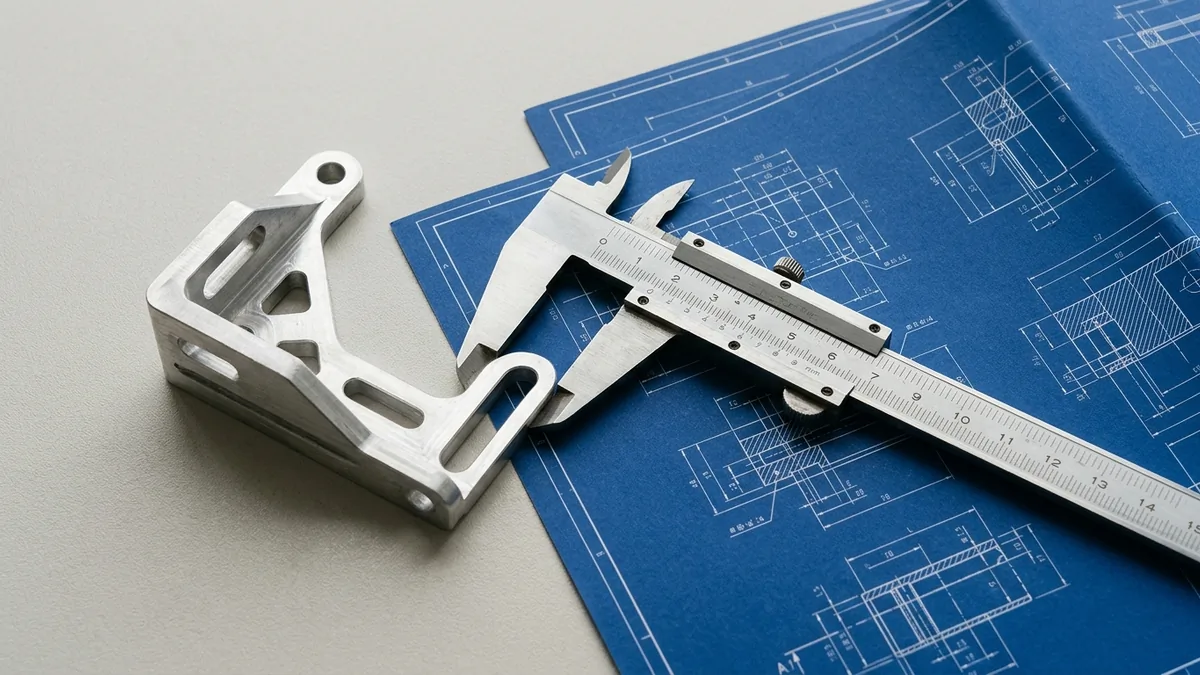
Manual data entry between CAD drawings and ERP routers slows down quote speed. Sync your takeoff data directly to MYOB Acumatica discrete tables.
Quoting entry bottlenecks
ERP integration limits: Australian structural steel fabricators struggle with a major administrative bottleneck after winning a contract. Estimators spend hours re-keying material lists, weights, and processing times from spreadsheet estimators into the factory ERP. In discrete manufacturing, this manual double-entry slows down the production release. This manual entry delay can push back manufacturing schedules and delay shipping.
To speed up operations, fabricators must connect their estimating front-office with their business management software. Syncing takeoff data directly into MYOB Acumatica discrete manufacturing tables removes this clerical delay. This direct link ensures that production starts without manual data entry, keeping manufacturing schedules on track and reducing administration overhead.
Takeoff table sync
Syncing estimating tables requires clear data mapping. Every drawing takeoff item (plates, section lengths, weld prep requirements) must map to an ERP inventory part or routing code. This mapping must occur without manual correction. If the system cannot map parts automatically, estimators must double-check every line.
Traditional spreadsheet takeoff files are unstructured, making automated import difficult. A standard spreadsheet often contains typos or inconsistent fields that break import scripts. Fabricators need dedicated tools that format estimating parameters for direct ERP sync. Using structured databases rather than loose spreadsheets is key to enabling automation.
Database pipeline options
Fabricators can choose between cloud integrations and local database pipelines. For security-conscious shops, cloud pipelines present a data exposure risk. Storing client drawing files on external servers can violate confidentiality terms. Managing these cloud risks requires expensive security monitoring tools.
A local-first pipeline processes drawing properties on the estimator's desktop. Kwantflow parses CAD drawings locally, exporting clean JSON files that match MYOB Acumatica routing modules. This desktop approach ensures data security while providing fast import performance. Kwantflow keeps all design details on your workstation, bypassing cloud security risks.
Routing card configuration
Here is a mapping matrix for transferring estimating data to MYOB Acumatica routers:
| Takeoff Data Field | ERP Routing Field | Data Type | Automation Step |
|---|---|---|---|
| Section Mass (kg/m) | Inventory Weight | Numeric | Direct API Sync |
| Weld length (mm) | Operation Runtime | Integer | calculated via table |
| Plate Geometry (DXF) | Work Centre Route | String | Match to Laser/Plasma |
| Compliance Tag | Quality Checklist | String | Attach CC2 QA card |
Routing tables: Estimators must configure their routing cards to match shop floor work centres. Standardizing these work centres ensures that the estimated labor hours map directly to production schedules. Accurate routing card configurations prevent manufacturing discrepancies between the office and the shop floor.
When routing data is mismatched, production errors occur. Shop floor operators might use the wrong machinery or follow incorrect sequences. This makes direct synchronization of estimated routes into the manufacturing ERP critical for maintaining quality control.
Avoiding entry errors
Manual entry errors can be expensive. A typo in material grades or section lengths can lead to purchasing the wrong steel. This error delay can push back project delivery and eat into margins. Sourcing replacement steel on short notice is a costly emergency.
Using Kwantflow, estimators can compile takeoffs locally with complete security. The software extracts geometric properties directly from files and exports clean records for ERP import. This automated workflow allows shops to quote faster without hiring another estimator, while removing data entry mistakes. Keeping calculations local ensures the shop's sensitive cost data remains private.
Software link benefits
Connecting estimating software to MYOB Acumatica improves business visibility. Management can compare estimated costs against actual production runs in real-time. This comparison helps estimators refine their pricing models for future bids. Tracking actual shop floor costs is the best way to improve pricing accuracy.
Additionally, fast data transfer improves quote turnaround times. B2B sales benchmarks show that the first qualified vendor to respond to an RFQ wins the bid in thirty to fifty percent of competitive scenarios, according to McKinsey research on B2B quote response speed. Speeding up ERP import helps estimators submit tenders quickly, before supplier pricing validity windows expire.
Security system boundaries
Maintain clear security boundaries during ERP integration. ERP systems are typically hosted in the cloud, but drawing files must remain secure. Fabricators must not upload proprietary CAD files to the ERP system. Keeping design files offline protects valuable client IP.
By using a local-first estimating tool, you keep design files behind your shop firewall. Kwantflow only exports numeric pricing and routing data to the cloud ERP, keeping the proprietary geometry offline. This separation satisfies strict client IP terms and reduces the shop's compliance audit scope.
Scaling estimator throughput
Disclaimer: This article details technical software integration concepts and should not replace advice from certified ERP integration partners. Fabricators should test all data sync scripts in a sandbox environment before production release. Start by mapping your material library to the ERP system.
To refine your estimating processes, review our guide on local CAD drawing parsing processes. You can also read about structural compliance in our estimating Construction Category 2 requirements article. Kwantflow runs natively on the desktop to secure your data and automate ERP integrations, helping your shop scale operations.
Ways estimators can keep quote review clear:
- Double-entry of structural bill of materials data between estimating sheets and ERP systems slows quote speeds.
- Mapping drawing takeoffs to ERP routing tables removes manual clerical data entry errors.
- Local data pipelines export structured JSON records securely to avoid exposing proprietary drawing files.
- Fast ERP synchronization helps estimators respond to tenders before supplier price validity windows close.