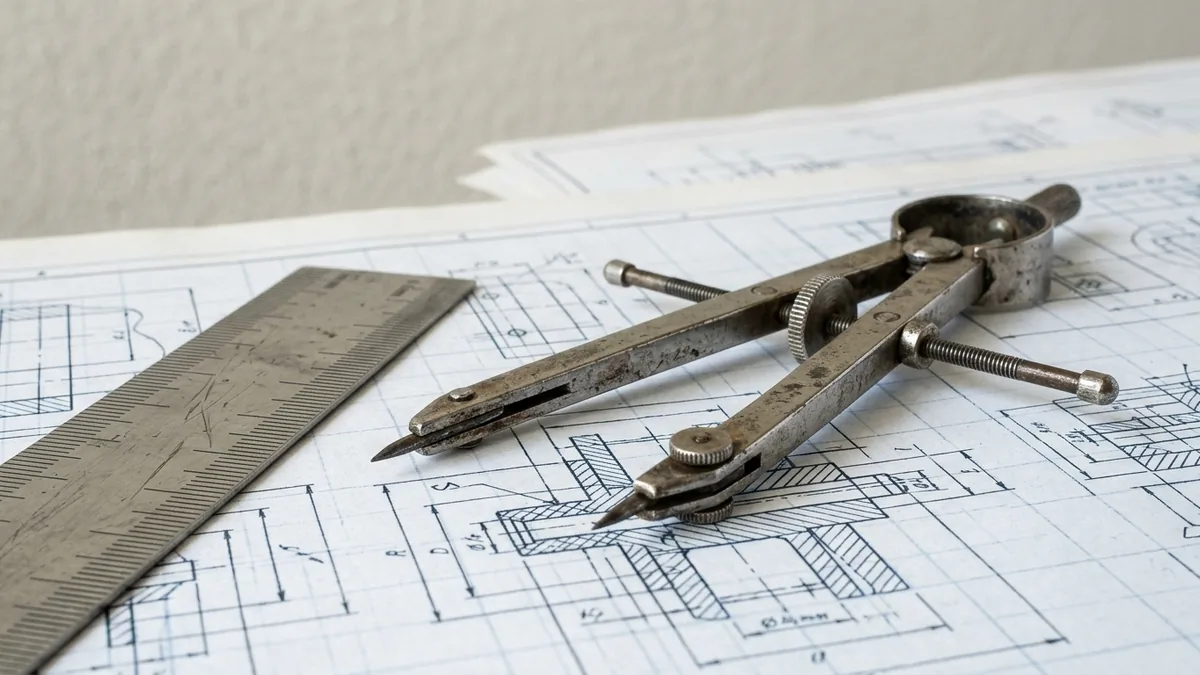
Unpriced drawing revisions eat into fabrication margins. Spot hidden geometric changes and thickness updates during structural bidding.
Drawing revision risks
Revision margin risks: Steel fabrication estimators face major challenges when managing drawing updates during the tendering phase. Head contractors frequently issue revised drawing sets mid-bid, often without highlighting the changes. If an estimator bids using an outdated set, the shop can be locked into an unprofitable contract. This risk makes thorough drawing audits essential.
To protect margins, estimators must audit drawing updates before finalizing their bids. Identifying these drawing revision differences is critical. Even a small change in plate thickness or section sizes can add tonnes of steel to the bill of materials, erasing your expected profits and causing fabrication delays.
Spotting geometric updates
Geometric changes can be hard to detect manually. Estimators must visually compare the old and new drawings side-by-side, searching for minor changes in dimensions. This process is time-consuming and prone to errors. Estimators must inspect every corner of the blueprint to find undocumented modifications.
Studies by Coopers & Lybrand show that ninety percent of complex spreadsheet models contain errors, according to the Coopers & Lybrand study on spreadsheet error rates. Estimators who rely on manual audits are highly likely to miss drawing updates. Automating revision comparison is necessary for accurate bidding, protecting the shop floor from unexpected layout changes.
Weld volume tracking
Weld revisions are a major source of unpriced labor. A drawing update might change a fillet weld to a butt weld, or increase the weld size by two millimetres. These changes increase weld volume and cycle times. Fabricators must ensure that weld volume updates are priced during bidding.
Estimators must track these weld volumes to keep labor costs accurate. An unpriced increase in weld size can add hours of labor to a fabrication. Estimating software must calculate weld volume changes automatically to keep tenders profitable. Sourcing accurate weld labor estimates prevents shop floor bottlenecks and protects profits.
Plate thickness changes
Here is a checklist of structural details estimators must verify when comparing revisions:
| Drawing Component | Potential Change | Cost Impact | Action Required |
|---|---|---|---|
| Base Plates | Thickness increase | Material cost increase | Re-calculate plate mass |
| Stiffeners | Added pieces | Labor and material cost | Update component counts |
| Hole Diameters | Tolerances tightened | Machining time increase | Flag tight tolerances |
| Section Sizes | Depth/weight change | Linear weight shift | Update structural takeoff |
Material updates: Estimators must verify plate thicknesses across revisions. A thicker plate increases raw steel costs and requires longer processing times, affecting cutting speeds. Weld procedures must also be adjusted for thicker plates, increasing labor rates.
A simple typo in plate thickness can lead to a major loss. Estimators must use reliable calculation methods to update plate weights when revised drawings arrive. Accurate material calculation is the foundation of a profitable structural steel bid.
Tracking bid adjustments
Estimators must document drawing updates to support price adjustments. When you identify a revision delta, you must update the takeoff database and notify the sales team. Having clear evidence helps negotiate price adjustments with clients. Builders are more likely to approve adjustments when presented with clear math.
Kwantflow provides a secure desktop environment where estimators can overlay revision files, highlighting deltas instantly. This local processing ensures complete security for customer IP, helping estimators quote faster without hiring another estimator. Kwantflow keeps all pricing data private, avoiding cloud exposure and simplifying audit preparation.
Revision checklist workflow
Fabricators should establish a standard checklist for checking drawing revisions. Start by checking the revision index table on the new drawings. Compare the section list against your original estimating record to identify added sheets. Reviewing sheet counts prevents missing entire modules of the structural frame.
Next, use overlay software to spot geometric changes. Audit the weld notes and material grades to verify that they match the original specifications. Document every change in a revision log to protect your bids from scope creep. Having a clear audit trail makes disputes easier to resolve.
Client notification options
When you spot a revision delta, notify the client quickly. Presenting a clear comparison sheet showing the cost impact makes the conversation straightforward. Most builders will accept price changes when they are backed by clear drawing evidence. Quick communication prevents delays during production release.
Using Kwantflow, estimators can export detailed comparison reports that show the exact material and labor differences. This clear reporting builds trust and helps secure price adjustments, ensuring you do not absorb the cost of client drawing revisions. Kwantflow runs on the desktop to keep your quoting pipelines moving quickly.
On premises tools
Disclaimer: This article details estimating risk management procedures and is not legal or professional engineering advice. Fabricators should verify all bids against project contracts. To manage drawing revisions, update your estimating systems. Integrate revision auditing tools into your quoting workflow to protect your shop floor from errors.
Review our drawing revision checking workflow for a step-by-step audit plan. You can also read about price escalation in our guide to quoting rise and fall escalation clauses. Kwantflow runs on the desktop to automate drawing reviews and protect your shop margins, giving you speed and security.
Ways estimators can keep quote review clear:
- Unpriced structural drawing updates can lead to major margin losses for steel fabricators.
- Manual drawing audits struggle to detect small changes in plate thickness or weld specs.
- Local-first takeoff software overlays drawing revisions to highlight geometric deltas instantly.
- Documenting drawing updates provides evidence for pricing adjustments under rise-and-fall clauses.