Can AI Read Construction Drawings? What Estimators Need to Know
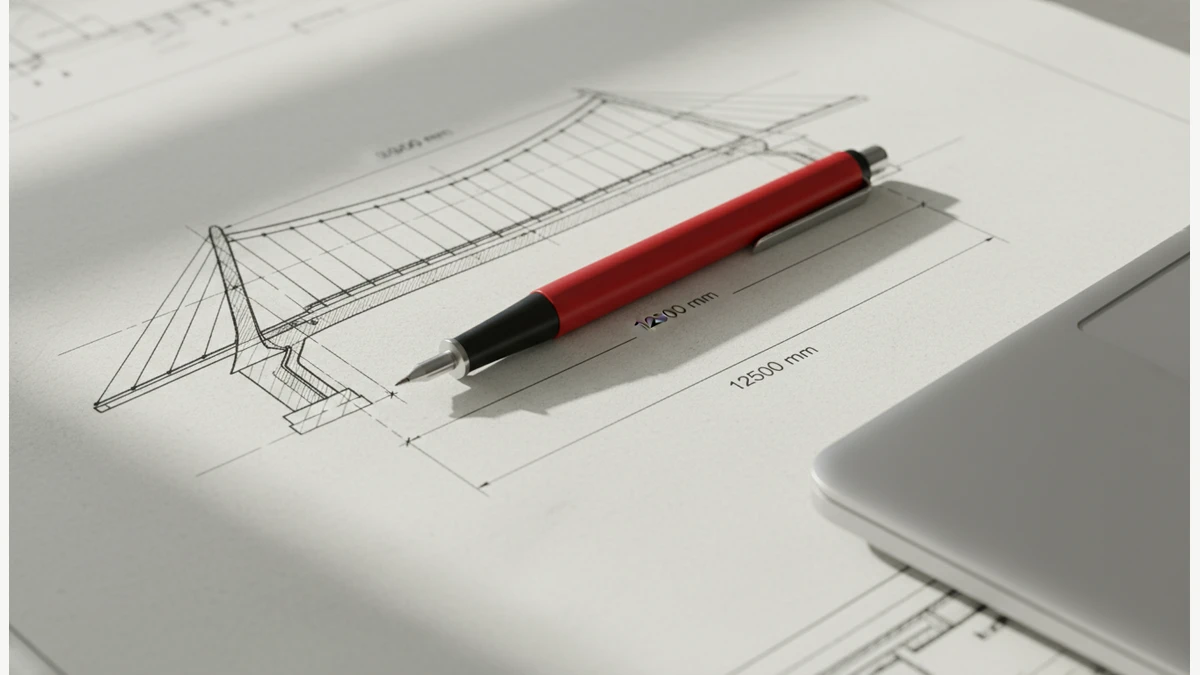
AI can read your drawings and extract quantities, but it shouldn’t replace your judgement. Learn the practical limits of AI in construction estimating.
The promise of AI in the workshop
The AI reads your drawings. It finds the quantities. It builds the estimate. You check it. You send it. Simple.
Every shop is chasing the same work. The ones that win are faster. But being fast is useless if you’re wrong. That’s the tension at the heart of AI estimating today.
Estimators are rightfully skeptical. We’ve all seen "AI" that promises to automate the whole job, only to miss a critical note or hallucinate a quantity that doesn’t exist. In custom fabrication, those mistakes cost more than just time—they cost margin.
Why Excel isn’t enough anymore
Tired of losing RFQs in your inbox? Or spending half your day on manual data entry in Excel? You’re not alone. The manual workflow is slow, prone to errors, and makes version control a nightmare.
But the answer isn’t to hand the keys to an AI and hope for the best. The answer is to use tools that remove the boring stuff—the clerical sorting, the title-block reading, the initial quantity finding—while leaving the heavy lifting of judgement to you.
Your best estimator shouldn’t spend all day on data entry. Let the machine do the grunt work. If you’re still using spreadsheets for everything, you’re hitting a ceiling on how many quotes you can get out the door.
The reality: AI can read, but it can’t reason
AI is incredible at pattern recognition. It can scan a thousand-page PDF and find every instance of a specific beam size in seconds. It can read title blocks and sort your files into a clean register. This is where it wins.
Where it fails is context. An AI doesn’t know that a specific client always expects galvanising to be included, even if it’s not on the drawing. It doesn’t understand the "unwritten" rules of your shop. That’s why we believe AI should assist, not replace your workflow.
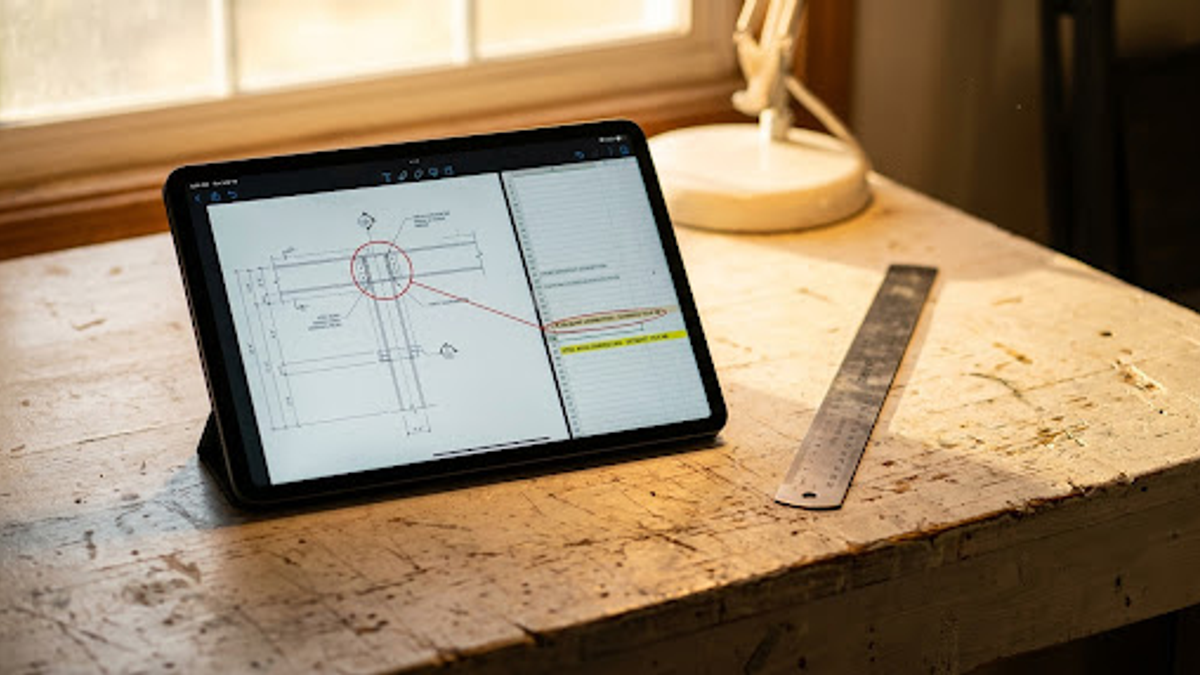
If an AI-generated line can’t be traced back to the source drawing, it shouldn’t be in your quote. Period.
Finding the balance: The Assisted Workflow
The best shops are using a hybrid approach. They use AI to process the RFQ intake and generate a first-draft takeoff. Then, a human estimator reviews the evidence. They check the confidence flags. They adjust the rates based on current supplier reality.
This workflow respects the complexity of fabrication. It acknowledges that a drawing is more than just lines and numbers—it’s a commitment to a customer. By keeping supported file handling local and visible, you ensure that the evidence is always there to back up your price.
The path forward
Don’t fear the tech, but don’t trust it blindly either. The future of estimating isn’t a "buy" button on a website. It’s a faster, smarter version of the workflow you already have.
The goal is to get back to the work that matters: building relationships, solving technical problems, and winning profitable work. Let the machine read the drawings. You build the business.
FAQ
Ways estimators can keep quote review clear:
- AI is a powerful drafting assistant that can find quantities and extract data from drawings, but it lacks the contextual judgement of an experienced estimator.
- Skepticism toward "black-box" AI is justified; every AI-generated line item must be traceable back to source evidence for human verification.
- Moving from manual Excel quoting to AI-assisted workflows reduces clerical errors while keeping the estimator in control of the final commercial commitment.
