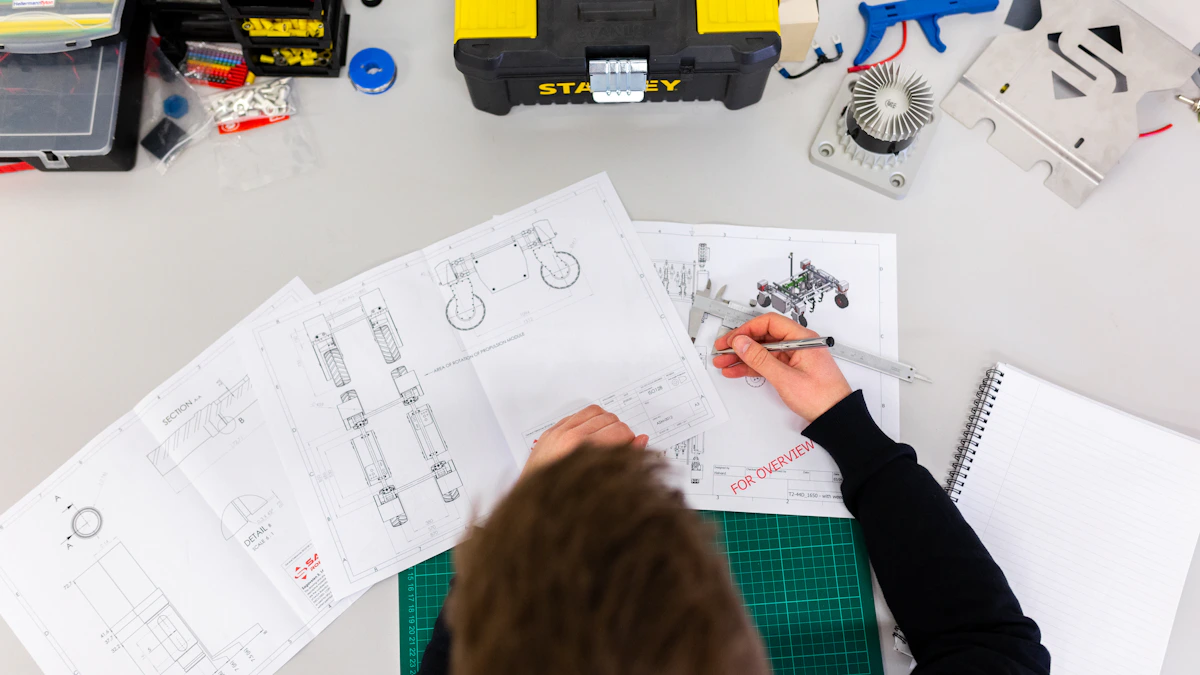
Why 2D engineering drawings act as the final legal contract between manufacturing shops and customers to prevent part specification disputes.
Precedence clause details
Grizzled estimator reality: When a dispute arises over a rejected batch of parts, the first thing the lawyers look at is the purchase order and the referenced drawings. In manufacturing, the 2D technical print is the legal contract. It contains the engineering signatures, the revision history, and the tolerance limits that define a conforming part.
Many shops make the mistake of quoting from a 3D CAD model without verifying the print terms. If the model geometry differs from the drawing specifications, the drawing always takes precedence in a contract dispute. If you machined to the model and ignored the print, you are responsible for the scrap.
Model mismatch liabilities
Liability hazards: Discrepancies between 3D files and 2D prints are common. A customer engineer might update a chamfer in the CAD model but fail to update the dimension on the drawing sheet. If you quote and manufacture the part based on the CAD file, the customer can reject the parts if they violate the print.
Shops must protect themselves by inserting clear precedence clauses in their quotes. The quote should state that the 2D drawing is the sole authority for inspection. This prevents disputes and ensures that both parties are aligned on the quality standards. To manage these reviews, using rfq processing software before pricing is essential.
Unambiguous source truth
Defining the standard: Establishing a single source of truth is critical for complex assemblies. Estimators must check the drawing title block for default tolerances and referenced standards. These notes define the quality level required for the job. If the print references an outdated standard, the shop must clarify which version applies.
Without a clear print, you are quoting a moving target. If the customer changes their expectations after the order is placed, you have no legal ground to request a price adjustment. A signed drawing sheet protects both the shop and the customer from these misunderstandings.
Revision block tracking
Revision control steps: Design revisions are a frequent source of quoting errors. A customer might submit a revision change mid-quote but fail to call out the altered dimensions. Estimators must compare the revision history blocks on the print to find what changed.
Quoting the wrong revision means pricing the wrong part. If you win the job based on an obsolete revision, you will face unexpected tooling and setup costs when machining the new version. Always verify the revision letters match on the quote and the purchase order.
Legal dispute examples
Contract disputes: Contract disputes in manufacturing are expensive. A common example involves a shop that machined a batch of stainless steel shafts based on a CAD model. The model showed a nominal diameter, but the drawing specified a tight h6 tolerance. The parts were rejected by the customer quality team.
Because the shop quoted the job from the STEP file alone, they did not budget for the grinding operation needed to achieve the h6 tolerance. The shop lost the legal dispute because the drawing was referenced on the purchase order. This is why estimators must verify all finish and material specifications before submitting the bid.
ERP integration patterns
ERP data entry: Pushing quote data into your ERP system requires accuracy. The referenced drawing number and revision letter must match the production router. If the wrong revision is entered into the ERP, the shop floor will build the wrong part, regardless of what the estimator quoted.
Estimators should use quoting tools that sync revision data directly with the ERP. This eliminates transcription errors and ensures that the shop floor is always working from the contract print. Integration prevents costly communication breakdowns between estimating and production.
Security and compliance
Security regulations: Processing contract drawings requires strict security measures. For defence contracts, drawings contain ITAR-controlled data that cannot be uploaded to third-party cloud servers. Estimators must use local software that runs on their own hardware to process these files.
Local processing ensures compliance with security standards and keeps proprietary customer designs secure. A data breach involving defence drawings can lead to severe penalties and the loss of your manufacturing licence. Security is a key component of contract management.
Reducing shop liability
Risk mitigation: Reducing liability requires a disciplined approach to RFQ reviews. Estimators should audit every drawing sheet for tolerances, finish specs, and revision letters. Any ambiguity must be resolved with the customer in writing before the quote is submitted.
By treating the 2D print as a legal document, you protect your shop from unexpected costs. Ensure your estimating team is trained to identify precedence clauses and revision discrepancies. Profitable machining starts with a clear contract.
Ways estimators can keep quote review clear:
- Treat the 2D drawing print as the absolute source of truth in legal disputes.
- Insert drawing precedence clauses in all formal RFQ response documents.
- Document every drawing revision change during active estimating conversations.
- Avoid quoting from STEP files without an agreed-upon technical print.