Lantek Tecoi Sheet Metal Nesting Partnership: Industry Insights
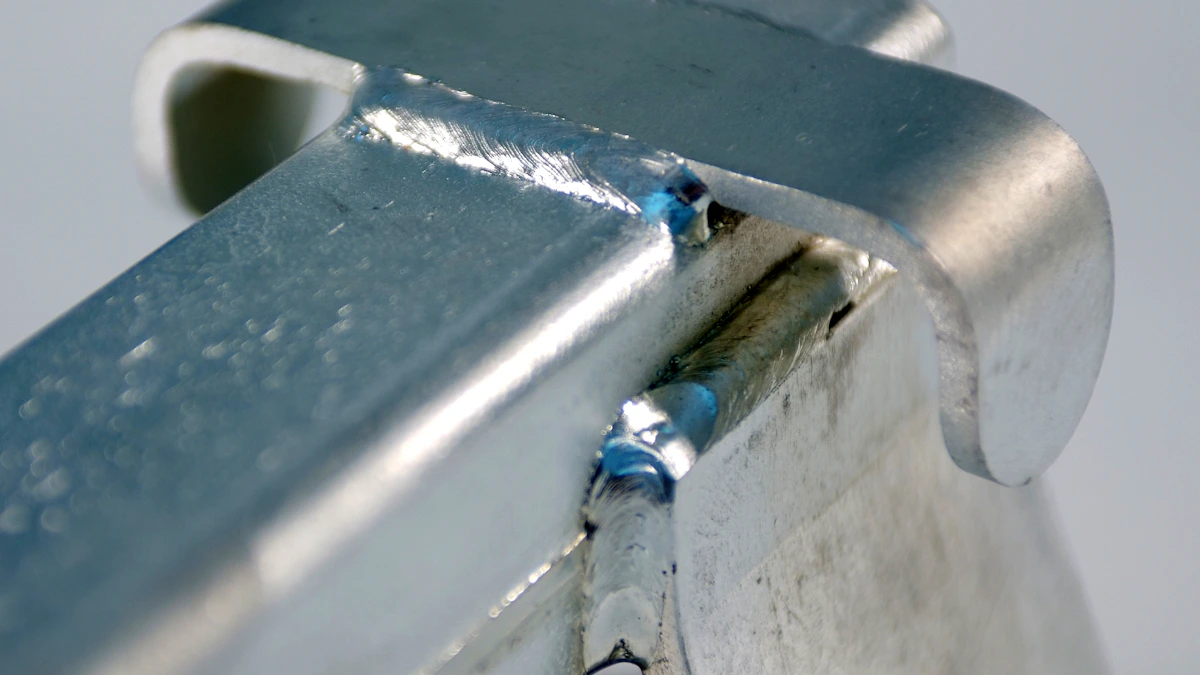
Industry analysis of the Lantek and Tecoi strategic partnership, and what automated nesting integration means for sheet metal fabricators.
Nesting strategic alliances
By linking Lantek's geometric engine with Tecoi's physical cutting profiles, fabricators can achieve a seamless transition from drawing intake to finished parts, lowering total cost. Brand name Kwantflow represents this front-office bridge.
The custom metal fabrication sector is evolving rapidly. The recent partnership announcement between Lantek, a leader in sheet metal nesting software, and Tecoi, a manufacturer of high-performance fiber laser cutting systems, represents a major step in production automation. This alliance integrates nesting algorithms directly with cutting machinery, aiming to reduce cycle times and material scrap.
While this partnership addresses shop floor execution, it highlights a critical gap in the front office. Estimating teams still struggle to calculate nesting utilization rates accurately before a job is won. Standardizing the quoting phase requires tools that analyze geometry during the initial RFQ triage.
Shops must implement solutions that connect these advanced machine capabilities with the quoting desk. Standardizing this integration ensures that quotes match the shop floor's actual capacity.
Nesting software advances
Estimators can run preliminary nesting approximations inside Kwantflow on-device without launching complex programming suites, keeping the takeoff process streamlined and independent.
Advanced nesting software utilizes algorithms to arrange parts on a sheet to maximize material utilization. The integration of Lantek technology with Tecoi lasers allows the cutting machine to adjust speed and laser power dynamically based on the nest layout. This reduces tool wear and prevents cutting errors.
However, these CAM tools are designed for production, not quoting. Estimators do not have time to run full nesting layouts for every line item in an RFQ. They need lightweight tools that estimate utilization rates instantly based on CAD geometry.
Relying on CAM software for quoting creates a bottleneck, as estimators must wait for programmers to run nesting layouts. Quoting software must run these calculations on-premises in seconds to ensure fast response times.
Fiber laser cycle times
Additionally, fiber laser setup requirements, including nozzle changing and calibration Burdens, must be calculated per batch. High-tolerance components require secondary verification, which must be factored into total labor burden calculations.
High-power fiber lasers cut metal at incredible speeds, but their efficiency depends on the nesting layout. A poor nest layout results in frequent laser head moves and increased skeleton scrap, slowing down cycle times and increasing costs. Estimators must account for these machine constraints when quoting.
Standardizing labor rates and machine burdens requires database records that reflect actual laser speeds. Linking your estimating tools with your ERP database ensures that quotes are based on live machine metrics, preventing under-quoted cutting times.
Kwantflow helps fabricators bridge this gap by calculating precise cut path lengths and piercing counts locally. Estimators can calculate run times based on Tecoi laser profiles, ensuring cost accuracy.
Front office bottlenecks
To improve response speeds, estimating departments must adopt automated file sorting. When drawing files are automatically classified and checked for missing views, estimators can jump straight to pricing without wasting time.
Additionally, the lag in generating manual quotes often creates friction between sales teams and estimators. When estimators must spend hours doing manual measurements, customer RFQs sit in a queue, allowing faster competitors to submit their bids first. By implementing programmatic DXF takeoffs, shops can speed up response times and capture more sales opportunities.
The front-office bottleneck remains a major challenge for fabricators. According to the B2B sales benchmarks, response speed is critical to winning bids. When estimators must manually measure drawings or wait for programming resources, quote latency rises, leading to lost sales.
Automating drawing takeoff and RFQ triage resolves this bottleneck. The software evaluates part dimensions and material requirements programmatically, allowing estimators to compile accurate quotes in minutes rather than days.
Local CAD data security
Under ITAR technical data export guidelines, displaying or storing restricted military blueprints on non-compliant public clouds is a serious violation. Secure desktop software processes all geometry data locally on the estimator's PC. This direct control ensures that drawings never leave the facility, keeping the shop compliant.
As fabricators bid on aerospace and defense contracts, protecting drawing data is a primary requirement. Uploading CAD files to cloud viewers is a security risk. Under CMMC Level 2 data security standards, shops must keep Controlled Unclassified Information secure.
On-premises file processing ensures that sensitive drawings remain inside your physical facility. By keeping CAD geometries local, you satisfy security guidelines while avoiding the costs of compliant cloud hosting.
Integrating quoting databases
Precision shops must connect their takeoff tools with their business databases. Kwantflow acts as a secure local bridge. It parses CAD drawing properties locally, extracts nesting requirements, and maps the results to your ERP fields without exporting the source drawings.
This database mapping allows you to push calculated part weights, cutting run times, and material volumes directly to Epicor Kinetic or JobBOSS² databases, keeping records accurate and clean.
Automating sheet takeoffs
Kwantflow parses DXF, DWG, and PDF drawings on-device, calculating part areas, perimeters, and nesting utilization options locally. This local processing speed allows estimators to triage RFQs instantly, ensuring that your shop quotes faster without hiring more staff.
By extracting dimensions programmatically, estimators eliminate manual transcription errors. Kwantflow keeps drawings offline while syncing quantities directly to your business networks, ensuring absolute data security.
Securing structural fabrications
Optimizing your quoting workflow requires both speed and security. Using Kwantflow, estimators can automate RFQ triage and extract tight tolerances down to +/-0.05mm locally. It keeps your sensitive data secure on your workstation while exporting clean files to your ERP to update your manufacturing routers. Are you still manually copy-pasting tolerances? Try dropping your next CAD file into Kwantflow locally to extract them in seconds.
Ways estimators can keep quote review clear:
- The Lantek and Tecoi partnership integrates nesting technology directly with high-performance fiber laser systems.
- Automated CAD takeoff workflows eliminate manual nesting layout guesses during the estimating phase.
- Precision fabricators must bridge the gap between front-office quoting and shop floor cutting cycle times.
- Local-first software keeps sensitive customer geometry files secure on the estimator's workstation.